
UV-C Lamp Distance & Irradiance Calculator
This online UV-C irradiance calculator provides a theoretical estimate of UV-C irradiance from a linear UV-C lamp.
Enter the lamp’s UV-C radiant output, effective arc length and the distance between the lamp and the measurement point. The calculator uses the Keitz equation to estimate UV-C irradiance and provides the result in both W/m² and mW/cm².
This calculator is intended for preliminary engineering calculations and system design. Actual UV-C irradiance can vary depending on lamp geometry, lamp temperature, lamp aging, reflector configuration, quartz sleeve, installation conditions, sensor position and measurement geometry.
For engineering verification, the actual UV-C intensity should be measured with a properly calibrated UV-C radiometer or UV-C intensity sensor.
UV-C Lamp Distance & Irradiance Calculator
Calculate theoretical UV-C irradiance from UV-C radiant output, effective arc length and sensor distance using the Keitz equation.
Multiple-Distance Calculation
Enter multiple measurement distances separated by commas.
Calculation Summary
Generate a plain-text summary that can be copied into an email, quotation or technical discussion.
How to Use This UV-C Calculator
1. Enter UV-C radiant output
Enter the UV-C radiant output of the lamp in watts (W).
This value refers to the UV-C radiant output and should not be confused with the electrical power consumption of the lamp.
For example:
UV-C radiant output = 95 W
2. Enter the effective arc length
Enter the effective arc length of the linear UV-C lamp in meters.
The effective arc length is the length of the lamp that contributes to the UV-C radiation calculation. It should not automatically be assumed to be the same as the lamp’s total physical length.
For example:
Effective arc length = 1.44 m
3. Enter the sensor-to-lamp distance
Enter the distance between the lamp centerline and the measurement point in millimeters.
For example:
Sensor distance = 30 mm
4. Calculate
Click Calculate to obtain the theoretical UV-C irradiance.
The calculator provides:
- Half-angle α
- Theoretical irradiance in W/m²
- UV-C intensity in mW/cm²
You can also enter multiple distances to compare theoretical irradiance at different measurement positions.
Keitz Equation for Linear UV-C Lamps
For a linear UV-C lamp, the theoretical irradiance can be estimated using the Keitz equation.
The calculation uses the following relationship:
α = atan(L / 2D)
and:
E = P(2α + sin(2α)) / (2π²DL)
Where:
- E = theoretical UV-C irradiance in W/m²
- P = UV-C radiant output in W
- L = effective lamp arc length in meters
- D = distance from the lamp centerline to the measurement point in meters
- α = half-angle in radians
The calculator then converts the result from W/m² to mW/cm²:
1 W/m² = 0.1 mW/cm²
This calculation is intended as a theoretical estimate for a linear UV-C lamp and should not be interpreted as a direct measurement of actual UV-C intensity.
UV-C Radiant Output vs. Electrical Lamp Power
One of the most important inputs in a UV-C irradiance calculation is the lamp’s UV-C radiant output.
UV-C radiant output is not the same as the electrical power rating of the lamp.
For example, a UV-C lamp may have an electrical power consumption of 100 W while its UV-C radiant output is significantly lower.
Using electrical lamp power directly in the Keitz equation can therefore produce an incorrect theoretical irradiance estimate.
When available, use the manufacturer’s specified UV-C radiant output or a properly measured UV-C output value.
Theoretical Irradiance vs. Actual UV-C Measurement
A theoretical calculation and an actual UV-C measurement are not necessarily the same.
The Keitz equation provides a mathematical estimate based primarily on UV-C radiant output, lamp geometry and measurement distance.
Actual UV-C irradiance can also be affected by:
- Lamp operating temperature
- Lamp aging
- Lamp geometry
- Reflectors
- Quartz sleeves
- Surrounding surfaces
- Sensor position
- Sensor angle
- Installation geometry
- Airflow and environmental conditions
- Spectral response and calibration of the measuring instrument
For this reason, a calculated value should be treated as an engineering estimate rather than a guaranteed sensor reading.
For applications where UV-C intensity is critical, actual measurement with an appropriate calibrated instrument is recommended.
ISO 15727:2020 specifies a method for measuring the output of linear UV-C disinfection lamps and covers UV-C lamp output measurement under specified installation and operating conditions.
Frequently Asked Questions
What is UV-C irradiance?
UV-C irradiance is the amount of UV-C radiant power received per unit area. It is commonly expressed in W/m² or mW/cm².
How do I calculate UV-C intensity at a specific distance?
For a linear UV-C lamp, a theoretical irradiance value can be estimated from the UV-C radiant output, effective lamp arc length and lamp-to-measurement distance using the Keitz equation.
Is UV-C radiant output the same as lamp electrical power?
No. Electrical power and UV-C radiant output are different quantities. The Keitz calculation should use UV-C radiant output rather than the electrical power rating of the lamp.
Can I use this calculator for every UV-C lamp?
The calculator is intended primarily for theoretical estimation of irradiance from a linear UV-C lamp using the Keitz equation. Different lamp geometries or installation configurations may require other calculation methods or direct measurement.
Why is my measured UV-C intensity different from the calculated value?
Differences can result from lamp geometry, operating temperature, lamp aging, reflector configuration, quartz sleeves, sensor position, sensor angle, calibration and installation conditions.
What unit is used for UV-C intensity?
UV-C irradiance is commonly expressed in W/m² or mW/cm².
The conversion used by this calculator is:
1 W/m² = 0.1 mW/cm²
Does UV-C intensity decrease as the distance increases?
Generally, the irradiance received from a UV-C lamp decreases as the measurement point moves farther away from the lamp. The exact relationship for a linear lamp depends on the lamp geometry and calculation model.
Can this calculator replace a UV-C radiometer?
No. The calculator provides a theoretical estimate. It should not be considered a replacement for an appropriate calibrated UV-C measurement instrument when actual system performance needs to be verified.
Can I use the result to select a UV-C sensor?
The calculated irradiance can provide an initial reference for selecting a sensor measurement range. However, the actual UV-C intensity at the installation point should be considered when selecting the final sensor range and configuration.
Need to Measure Actual UV-C Intensity?
The Keitz equation provides a theoretical estimate of UV-C irradiance from lamp output, effective arc length and distance. Actual UV-C intensity can vary depending on lamp temperature, aging, installation geometry, reflector conditions, sensor position and other factors.
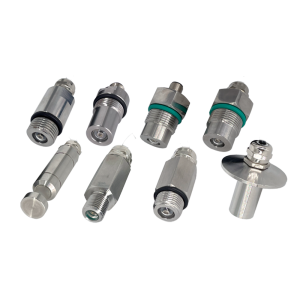
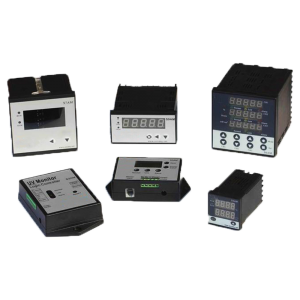
If you need to verify the actual UV-C irradiance in your equipment or UV disinfection system, a suitable UV-C sensor or UV-C intensity monitor can be used for measurement and monitoring.
Leave A Comment